

You can see the air-fuel ratio in diesel engines goes from 14.5:1 to 70:1. Most engines work between 18:1 and 40:1. The air-fuel ratio tells how much air mixes with fuel when burning. Diesel engines need a lean air-fuel mix for good power and less pollution. The right air-fuel ratio saves fuel and helps your engine last longer. If you know about the Air Fuel Ratio Of Diesel Engine, you can keep your vehicle working well.
- Typical air-fuel ratio range:
- 14.5:1 (stoichiometric) to 70:1, based on load and speed
Key Takeaways
- Knowing the air-fuel ratio is very important for diesel engines. It changes how much power the engine has. It also affects how much fuel the engine uses. It can change the amount of pollution the engine makes.
- Keep the air-fuel ratio between 14.5:1 and 22:1. This helps the engine work its best. It lowers soot and keeps the engine from wearing out fast.
- Check your fuel and air filters often. Clean filters help keep the right air-fuel ratio. They also help the engine last longer.
- Watch your diesel engine for problems with the air-fuel ratio. Look for black smoke or trouble starting. Fix these problems quickly so the engine does not get damaged.
- Use tools like the DHBS102 Lambda Meter to check the air-fuel ratio. This helps the engine run better and makes less pollution.
Air Fuel Ratio of Diesel Engine Basics
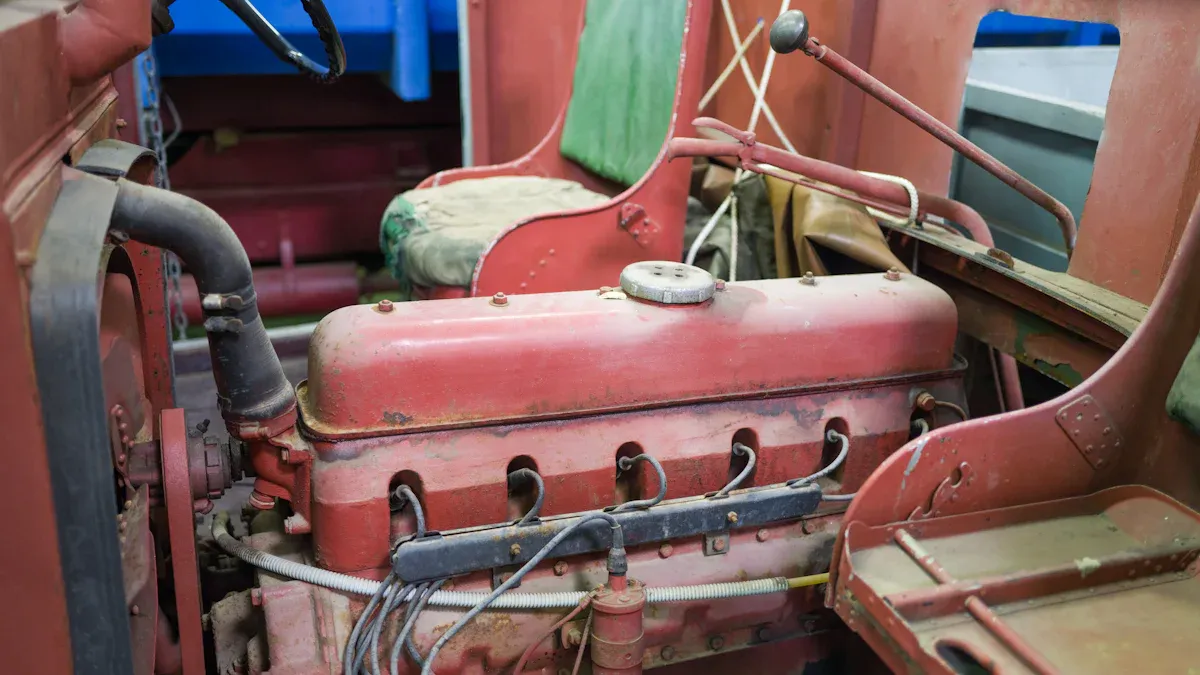
What Is Air-Fuel Ratio?
You may wonder what the air fuel ratio of diesel engine means. The air-fuel ratio shows how much air mixes with fuel inside your engine. In diesel engines, you measure this as the mass of air compared to the mass of fuel in the combustion chamber. This number matters because it helps you get the best power, save fuel, and lower pollution. When you keep the right air fuel ratio, your diesel engine runs smoother and lasts longer. The afr also helps you avoid problems like black smoke or hard starts. You can think of the air-to-fuel ratio as a recipe. If you add too much or too little of one part, the engine will not work well.
Diesel vs. Gasoline AFR
You will see that the air fuel ratio of diesel engine is different from gasoline engines. Diesel engines can use a much wider range of air-fuel ratios. Most diesel engines run with an afr from 18:1 up to 70:1. This means diesel engines can use a lot more air compared to fuel. Gasoline engines usually stay close to 14.7:1. They need this mix to burn all the fuel and air together. Diesel engines do not need a perfect mix. They control power by changing the amount of fuel, not the air. This lets diesel engines run leaner and use less fuel at low loads.
Note: A leaner air fuel ratio in diesel engines means more air and less fuel, which helps with fuel economy and lower emissions.
Here is a simple table to show the difference:
| Engine Type | Air-Fuel Ratio Range |
|---|---|
| Diesel | 18:1 to 70:1 |
| Gasoline | About 14.7:1 |
You can see that the air fuel ratio of diesel engine gives you more flexibility. This is one reason why diesel engines are popular for trucks and machines that need to work hard for a long time.
Typical Air-Fuel Ratio Range
Operating Ranges and Conditions
You will notice that diesel engines use a wide range of air fuel ratio values. The air-fuel ratio can go from 14.5:1, which is a rich mixture, all the way up to 70:1, which is very lean. Most of the time, diesel engines run between 18:1 and 40:1. The air fuel ratio changes based on how hard your engine works.
- When your engine idles, the air-fuel ratio can reach about 40:1. This means your engine takes in a lot of air compared to fuel.
- At light loads, the afr stays lean, often above 30:1.
- When you push your engine to full power, the air fuel ratio drops closer to 18:1 or even 14.5:1. This richer mix gives more power but uses more fuel.
You can see how the air-to-fuel ratio shifts with different driving conditions. Diesel engines use more air at idle and light loads. They use more fuel when you need more power. Manufacturers set limits on how much fuel can go into the engine. They use special parts like scroll plates in rotary pumps to keep the air-fuel ratio in the right range. They also control boost pressure and exhaust gas recirculation to help manage the afr.
Here is a simple table to show how the air fuel ratio changes:
| Condition | Air-Fuel Ratio Range |
|---|---|
| Idle | 35:1 to 40:1 |
| Light Load | 25:1 to 35:1 |
| Full Power | 14.5:1 to 18:1 |
Tip: If you run your diesel engine with too much fuel (rich mixture), you may see black smoke and waste fuel. If you run it with too much air (lean mixture), the engine can get too hot and make more NOx emissions.
Ideal and Stoichiometric AFR
You may hear about the ideal or stoichiometric air fuel ratio for diesel engines. The stoichiometric air fuel ratio is 14.5:1. This means there is just enough air to burn all the fuel. In practice, diesel engines rarely run at this exact ratio. Most of the time, the ideal air-fuel ratio for diesel is between 14.5:1 and 22:1. For example, Detroit Diesel 92 Series engines work best at an afr of 18:1 to 19:1.
You want to keep your engine in the ideal afr range for the best results. If you run your engine too rich, you get incomplete combustion. This causes soot, poor fuel economy, and more wear on engine parts like pistons and turbochargers. If you run your engine too lean, you risk overheating and higher NOx emissions. Too much heat can damage parts like cylinder heads and exhaust valves.
Here is a quick list of what can happen if you go outside the recommended air-fuel ratio:
- Rich mixture: More soot, lower fuel economy, faster engine wear.
- Lean mixture: Overheating, more NOx emissions, possible engine damage.
You can see why it is important to keep the right air fuel ratio in your diesel engine. The afr affects power, efficiency, and how long your engine lasts. Always check your air-to-fuel ratio if you want your diesel to run well and stay healthy.
Why Air-Fuel Ratio Matters
Performance and Efficiency
It is important to watch the air-fuel ratio in diesel engines. The afr shows how much air mixes with fuel. When you keep the afr right, the engine burns all the fuel. This gives your engine the most power and torque. Using the stoichiometric air fuel ratio, between 14.5:1 and 22:1, helps stop soot and lowers engine wear.
A good air-fuel ratio gives you:
- All the fuel burns up
- Less smoke and soot
- Good power from the engine
- Less fuel used
- Less engine wear and carbon
If your diesel engine runs too rich, you might see black smoke. You may also use more fuel and get carbon buildup. If it runs too lean, the engine may feel slow. You might also see higher exhaust temperatures. Both rich and lean afr can hurt your engine and make it not last as long.
Here is a simple table to show how afr affects your engine:
| Air-Fuel Ratio | Effect on Engine Performance |
|---|---|
| 14.5:1 to 22:1 | Burns all fuel, less soot, less engine wear |
| 18:1 to 19:1 | Best for Detroit Diesel 92 Series, good power, uses less fuel |
Tip: Keeping the afr right helps you save fuel and keeps your diesel strong.
Emissions and Engine Life
You should also think about emissions when setting the air-fuel ratio. A good afr helps diesel engines burn fuel cleaner. This means less pollution. A lean air-to-fuel ratio makes less soot and dirt in the air. This helps you follow emissions rules and keeps the air clean. Too much fuel makes more smoke and pollution. Too much air can make more NOx and overheat the engine.
Rules about emissions mean you must watch the afr closely. Cleaner burning protects your engine and the planet. The right afr also helps your engine last longer. You avoid problems like extra wear, overheating, and big repair bills.
| Engine Type | Effective AFR Range | Emission Characteristics |
|---|---|---|
| Diesel | > 1.25 | Higher EGTs with more fuel, burns well, less pollution when lean |
Note: Always check your air-to-fuel ratio to keep your diesel safe and lower pollution.
Factors Affecting Air-to-Fuel Ratio
Engine Load and Conditions
The air-fuel ratio in your diesel engine changes a lot. It depends on how hard the engine works and the weather outside. If you start your engine when it is cold, the afr can change. Cold weather slows down chemical reactions. This makes it tough for the fuel injection system to light the diesel. Sometimes, the fuel does not burn all the way. If you drive up high in the mountains, the air is thinner. Your engine gets less oxygen, so the afr is different. You might notice your diesel engine starts slowly. It may not run as smooth as usual. When you push your engine hard, the afr changes again. Heavy loads make the fuel injection system add more diesel. This lowers the air-fuel ratio. If you drive with light loads, the afr stays higher. Your engine uses less fuel and stays cooler.
Note: Always check your afr when it is cold or when you drive high up. These things can make your diesel engine hard to start and change how it runs.
Turbocharging and Injection
Turbocharging and fuel injection help control the air-fuel ratio. A turbocharger pushes more air into your engine. This lets the fuel injection system add more diesel. The afr does not get too rich. You get more power and torque without making the engine spin faster. Here is what turbocharging does for your afr:
- Turbochargers use exhaust gases to spin a compressor.
- The compressor pushes extra air into the engine.
- More air lets the fuel injection system add more diesel.
- The afr stays balanced, so your engine makes more power and works well.
Modern diesel engines use smart fuel injection systems. These systems spray diesel into the engine at high pressure. This mixes the air and fuel better. The afr stays in the right range. You can tune the fuel injection timing and amount. Good tuning keeps the afr steady. This helps your engine last longer and use less fuel.
Tip: If you want your engine to work better, tune your fuel injection and turbo system. This keeps the afr right and protects your engine.
Engine load, weather, altitude, turbocharging, and tuning all change the air-fuel ratio. Watch these things to keep your diesel engine strong.
Monitoring and Optimizing AFR

How to Check AFR
You can check the afr in your diesel engine with special tools. Many people use meters that measure the air-fuel ratio. These meters show you real-time numbers about air and fuel mixing. For example, the DHBS102 Lambda Meter checks emission levels, oxygen, and afr. You can use this meter for both gasoline and diesel engines. Here is a table about a helpful tool:
| Tool Name | Description | Applications |
|---|---|---|
| DHBS102 Lambda Meter | Checks emissions, lambda, oxygen, and afr with high accuracy. | Gasoline, diesel, and gas engines |
New ways to estimate afr and trapped mass in turbocharged diesel engines work well. These methods are very accurate in many engine situations. You can use them to watch afr during tuning or regular checks.
Signs of Incorrect AFR
You should know the signs when afr is not right in your diesel. If the afr is wrong, your engine will have problems. Look for these signs:
- Engine stalls or misfires
- Hard to start the engine
- Less engine power
- Uses more fuel
- Bubbles in the fuel line
These signs mean your fuel or air system may have trouble. If you see these problems, check your afr and fuel injection soon. Keeping the right afr helps you avoid these issues and keeps your diesel strong.
Maintenance Tips
You can keep the right afr in your diesel by doing good maintenance. Take care of your fuel injection system often. Here are some tips:
- Change fuel filters every 15,000 to 20,000 miles to keep fuel clean.
- Check air filters every few months and replace if dirty.
- Use clean fuel from trusted places and add additives if needed.
- Change the air filter every 12,000 to 15,000 miles, or sooner if it is dusty.
- Pick good air filters for better engine safety.
- Keep both air and fuel filters clean for longer engine life and better fuel use.
Clean fuel injection and filters help your engine keep the right afr. This gives you better tuning, more power, and a longer-lasting engine. You will also get better results in your turbocharged diesel if you follow these steps.
When you keep the air-fuel ratio right, your diesel engine works better. Checking and fixing your engine often gives you more power. It also helps your engine make less pollution and last longer.
- The fuel system sends the right amount of fuel for clean burning.
- A clean air filter helps your engine use fuel well and gives more power.
- Taking care of your engine stops it from wearing out fast and saves fuel.
You can also learn about new control systems and sensors. These tools help control the air-fuel ratio. They make your engine use less fuel, cost less to run, and stay strong.
FAQ
What happens if my diesel engine runs too rich?
You will see black smoke from the exhaust. The engine may use more fuel and build up soot. This can cause faster wear on engine parts.
How do I know if my air-fuel ratio is correct?
You can check for smooth engine sound, easy starts, and clean exhaust. You may also use an air-fuel ratio meter for accurate readings.
Can weather affect my diesel air-fuel ratio?
Yes. Cold weather or high altitude can change how your engine mixes air and fuel. You may notice harder starts or less power.
Why do diesel engines use a leaner air-fuel ratio than gasoline engines?
Diesel engines control power by changing fuel, not air. This lets you use more air and less fuel, which saves fuel and lowers emissions.
How often should I check my air and fuel filters?
Tip: Check your air filter every few months and your fuel filter every 15,000 to 20,000 miles. Clean filters help keep your air-fuel ratio right.
Explore FAWDE Diesel and Gas Engines
FAWDE (Wuxi Diesel Engine Works), part of FAW Jiefang, has been engineering commercial diesel power for over six decades. Wuxi Winteam Technology is the exclusive overseas distributor of the full FAWDE catalog.
Browse our complete engine catalog: Euro 1, Euro 2, Euro 3, Euro 4, and Euro 5 diesel engines. Specialty applications include generator set engines, water pump engines, and natural gas engines. For pricing and OEM enquiries, please contact us directly.