


You can address the loss of power in a diesel engine by identifying the main issue. Some common problems that can lead to this loss of power include:
- Fuel filters can become clogged, which slows down fuel flow.
- Turbochargers may fail, resulting in reduced engine boost.
- Injectors can malfunction, causing uneven fuel distribution.
- The air intake can become blocked.
- The EGR valve may experience issues.
Utilize simple tools to check for signs of these problems early. You can attempt easy fixes or consult an expert for assistance. Addressing these issues promptly helps maintain your engine’s performance.
Key Takeaways
- Change your fuel and air filters often to stop clogs. This easy step helps your engine work well and last longer.
- Watch for warning signs like black smoke or rough running. Finding problems early can help you avoid expensive repairs later.
- Use good diesel fuel to keep your engine healthy. Good fuel stops clogs and keeps your engine clean.
Common Diesel Engine Problems
Loss of Power Causes
Sometimes your diesel engine feels weak. This can happen for different reasons. Both mechanical and electrical problems can cause power loss. Look at the table below to see what could be wrong:
| Mechanical Issue | Description |
|---|---|
| Clogged Exhaust System | Stops exhaust from leaving, which makes the engine work harder and lose power. |
| Dirty Air Filter | Blocks air from getting in, so the engine does not burn fuel well and loses power. |
| Failed or Stuck EGR Valve | Stops exhaust from moving right, which can make the engine lose power. |
| Electrical Issue | Description |
|---|---|
| Malfunctioning Glow Plugs | Makes it hard to start the engine when it is cold, so the engine does not work as well. |
| Dead Batteries | Can make it hard to start the engine and can mess up other electrical parts in the car. |
| Diesel Fuel Pump Failure | Can make starting hard because of electrical problems or because the pump is worn out. |
Power loss in a diesel engine can also be bad for the environment. If your engine is not working right, it can slow down jobs like farming or moving things. This can waste time and resources.
Warning Signs to Watch
You can find diesel engine problems early if you watch how your car acts. Here is a table that shows signs you might see if there is a problem:
| Cause | Symptoms |
|---|---|
| Clogged Fuel Filters | Slow speeding up, rough running, engine skips. |
| Failing Turbocharger | Less boost, black smoke, whistling sounds. |
| Faulty Injectors | Rough running, slow speeding up, uses more fuel. |
| EGR Valve Malfunctions | Black smoke, slow throttle, rough running. |
| Dirty or Failing MAF Sensor | Hesitates when speeding up, uses more fuel, warning light on. |
Tip: If you see any of these signs, check your engine soon. Fixing small problems early keeps your engine strong and helps the environment.
Diagnose Power Loss in a Diesel Engine
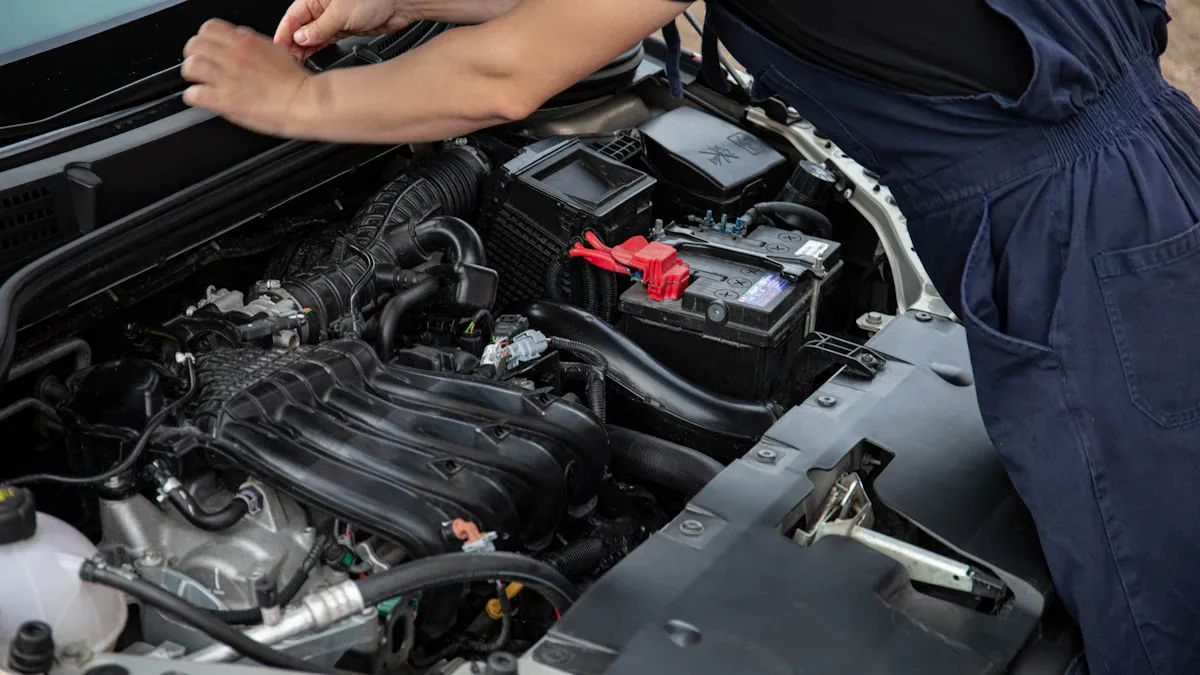
When you notice your truck or car feels weak, you want answers fast. You can find the cause of power loss in a diesel engine by using smart tools and watching for warning signs. Let’s break down how you can do this at home or in the shop.
Check Engine Codes
Modern diesel engines use computers to watch over everything. When something goes wrong, the system stores a code. You can read these codes with an OBD-II scanner or a special laptop tool. The Diesel Diagnostic Laptop Scanner Truck Tuner Heavy Duty 2026 Kit Tool gives you dealer-level information and live data. This tool helps you see what’s happening inside your engine right now.
Here’s how you can use an OBD-II scanner to check for problems:
| Step | Procedure |
|---|---|
| 1 | Plug in the OBD-II scanner and read codes from the Engine Control Module. |
| 2 | Test the system to find out why the code appeared before you clear it. |
| 3 | Use a multimeter to check sensors and look for broken wires. |
| 4 | Test how the system works instead of just swapping parts. |
| 5 | Look at freeze-frame data to see what was happening when the problem started. |
| 6 | Use a mechanical gauge to check fuel pressure at the test port. |
| 7 | Change the fuel filter first if you see a fuel-related code. |
You might see warning lights on your dashboard. These lights tell you when something is wrong. If you see a DEF warning or an “Engine Power Reduced” alert, your vehicle may go into limp mode. This means the engine will run with less power to protect itself. Don’t ignore these warnings. They help you avoid bigger diesel engine problems.
New diagnostic tools in 2026 can do even more. They let you force DPF and SCR regens, reset fault codes, and watch live data like exhaust temperature and DEF quality. Some tools even give you real-time repair tips using AI. These features make troubleshooting much easier and faster.
Identify Performance Symptoms
You can spot common diesel engine problems by paying attention to how your vehicle acts. If you feel sluggish acceleration, see black smoke, or notice reduced engine power, you should start your diagnosis right away. Matching symptoms to causes helps you fix the right part the first time.
Here are some signs and what they might mean:
- If you notice a big loss of power when pulling a load, higher engine temperatures, or black smoke, you might have a clogged exhaust or a stuck EGR valve.
- If your engine feels weak and uses more fuel, check for a dirty air filter or blocked air intake.
- If you have rough running or slow response, look at your fuel injectors or see if the fuel filter is clogged.
- If you see warning lights and your truck won’t go faster, you could have fuel system failures or a problem with the SCR system.
A new way to diagnose power loss uses smart computers. These systems look at data from your truck, like speed and throttle changes. They use machine learning to find out what’s wrong, even from far away. This means you can get help before things get worse.
Tip: Always match what you feel and see with what the scanner tells you. This makes your troubleshooting faster and saves you money.
By using these steps, you can catch problems early and keep your engine performance strong. Good diagnosis is the key to fixing loss of power in a diesel engine and keeping your vehicle on the road.
Essential Maintenance for Power Loss
Keeping your diesel engine strong means you need to stay on top of basic maintenance. If you want to avoid loss of power in a diesel engine, you should focus on a few simple steps.
Replace Fuel and Air Filters
You might not see them, but fuel and air filters do a lot of work. They keep dirt and junk out of your engine. When you drive on dusty roads or use low-quality fuel, these filters can clog up faster. Most manufacturers recommend you change the fuel filter every 10,000 to 15,000 miles. If you tow heavy loads or drive in tough conditions, check them more often. A clogged fuel filter can cause power loss and make your engine run rough.
Tip: Write down the date and mileage every time you change your filters. This helps you remember when it’s time for the next swap.
Change Engine Oil Regularly
Oil keeps your engine cool and smooth. If you skip oil changes, sludge can build up and cause overheating or even damage. Here’s what regular oil changes do for you:
- Boost engine efficiency
- Lower emissions
- Prevent engine parts from wearing out
- Cut down on downtime by up to 30%
Fresh oil also helps your engine handle heat and reduces friction. You’ll notice better engine performance and fewer diesel engine problems.
Use Quality Diesel Fuel
Not all diesel fuel is the same. Using high-quality fuel keeps your engine clean and helps prevent clogged fuel filters. Good fuel also means less smoke and fewer starting problems. If you want your engine to last, fill up at trusted stations.
Note: Many drivers report issues like starting failures, overheating, and idle problems when they skip these simple steps. Stay ahead with regular checks and good habits.
Inspect Key Diesel Engine Components
When you want to fix loss of power in a diesel engine, you need to check the most important parts. Let’s look at what you should inspect and why it matters for engine performance.
Check Fuel Injectors
Fuel injectors spray fuel into the engine. If they don’t work right, you get reduced engine power and other diesel engine problems. Here’s a table that shows common issues you might find:
| Issue Type | Description |
|---|---|
| Fuel Quality Problems | Bad fuel can cause deposits or even rust inside the injector. Water in fuel leads to corrosion. |
| Mechanical Wear | Old injectors can stick or leak, which messes up fuel delivery. |
| Internal Failures | Parts inside can break, like needle valves or seats, causing leaks and poor spray patterns. |
You should have a pro check your injectors every year or if you notice rough running or power loss.
Examine Turbocharger
A failing turbocharger is one of the most common diesel engine problems. The turbo pushes more air into the engine, so you get more power. If it breaks, you’ll notice:
- Less power when you press the gas
- More black smoke from the exhaust
- Whining or whistling sounds
Here’s a quick look at what happens when the turbo fails:
| Impact on Power Output | Description |
|---|---|
| Loss of Power | The engine can’t get enough air, so it feels weak and slow. |
| Poor Fuel Economy | You burn more fuel because the air-fuel mix isn’t right. |
| Excessive Exhaust Smoke | Black soot builds up, which can clog the filter and cause more problems. |
If you see these signs, get your turbo checked at your next service.
Inspect Fuel Lines and Pump
Fuel system failures can cause power loss fast. You should look for these problems:
- Clogged fuel filters make the engine struggle.
- Air in the fuel line causes rough idling and misfires.
- A bad fuel pump makes the engine sputter or not start at all.
If you find leaks or hear odd noises, you might need a mechanic. Bleeding the fuel system can help if you think air got in.
Tip: Check these parts every six months or sooner if you notice reduced engine power. Regular checks keep your diesel engine running strong and help you avoid common diesel engine problems.
How to Fix Diesel Engine Power Loss
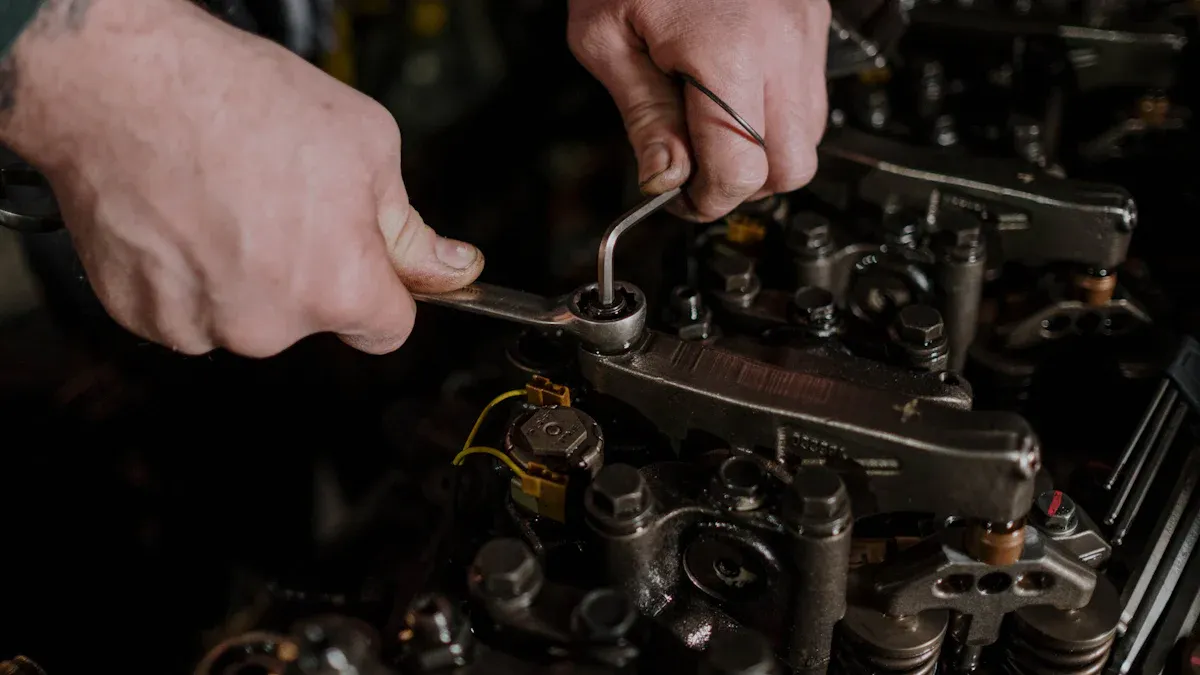
Clean or Replace Faulty Parts
You can bring back your engine performance by cleaning or swapping out parts that cause trouble. Start with the basics. If you see dirt or grime, you need to clean it up. Here’s a simple way to get started:
- Run your engine for five to ten minutes. This warms things up and loosens grease.
- Cover important parts with plastic bags and rubber bands. This keeps water out.
- Spray a degreaser from the bottom up. Let it sit for five to ten minutes.
- Use a long-handled brush to reach deep spots.
- Rinse with a gentle stream of water. Skip the high-pressure hose.
When you take off any parts, put them in plastic containers or Ziploc bags. Label each one. This makes putting everything back together much easier. Try to keep your work area clean. Dirt can sneak into your engine and cause more problems.
If you need to clean sensors or connectors, pick a contact cleaner. It works better than brake cleaner because it does not leave a sticky mess. It also keeps gaskets safe.
Sometimes, you find carbon buildup inside your diesel engine. This can cause a big loss of power in a diesel engine. You can use special tools like hydrogen carbon cleaning machines, walnut shell blasting, or fuel injection cleaning systems. These methods clean out intake valves and combustion chambers without taking the engine apart.
When you see a failing turbocharger, you need to act fast. A turbo that does not work right can make your truck feel slow and weak. If you hear whistling or see black smoke, check the turbo for damage. You may need to clean or replace it.
Tip: Always double-check your work. Mistakes during repairs can lead to bigger problems. Many people forget to tighten bolts or connect wires the right way. This can cause leaks or even engine damage.
When to Seek Professional Help
You can fix many small problems at home, but sometimes you need a pro. Here’s when you should call for professional diesel repair:
| Criteria for Professional Help | Description |
|---|---|
| Systematic Diagnosis | A pro uses a step-by-step plan to find the real problem. This saves you time and money. |
| Regular Maintenance | Experts know how to keep your engine in top shape. They spot issues before they get worse. |
| Specialized Diagnostic Tools | Some problems need special tools. These tools can find hidden issues that you might miss. |
A professional can check your turbocharger, fuel system, and sensors. They know how to test boost pressure, which is key for good combustion. If you drive with heavy loads, you need your turbo working right.
Trying to fix big engine repairs without the right skills can cause trouble. Many people make mistakes like using the wrong torque or missing a broken wire. These errors can cost you more money later. Sometimes, DIY repairs lead to incorrect installations or missed problems. This can hurt your vehicle and even void your warranty.
Professional repairs may cost more at first, but they help you avoid bigger bills down the road. Many manufacturers want a pro to do the work to keep your warranty. If you try to fix things yourself and something goes wrong, you might lose your coverage.
Note: If you feel unsure or see warning lights that will not go away, it’s smart to get help. A trained mechanic can save you time, money, and stress.
By following these steps, you know how to fix diesel engine power loss and keep your truck running strong. You protect your investment and stay safe on the road.
Preventing Power Loss in Diesel Engines
Regular Maintenance Tips
You want your diesel engine to stay strong and reliable. Regular checks make a big difference. Here are some simple habits you can follow:
- Change your air and fuel filters often. Clean filters keep dirt and water out of your engine.
- Watch your fluids. Check oil, coolant, and fuel for any signs of trouble. A quick look can save you from big repairs.
- Use good quality diesel fuel. Bad fuel can clog parts and cause power loss.
- Keep your engine clean. Wipe away dust and grease so you can spot leaks or worn parts early.
Tip: Write down each time you do maintenance. This helps you remember what you did and when you need to do it again.
Monitor Engine Performance
You can catch problems before they get worse by paying attention to how your truck feels and sounds. If you notice slow starts, strange noises, or black smoke, check things right away. Small changes can mean bigger issues are coming.
Try these steps to keep your engine performance in top shape:
| What to Watch | Why It Matters |
|---|---|
| Unusual Sounds | May signal worn parts |
| Warning Lights | Show system problems |
| Hard Starts | Point to fuel issues |
| Smoke Color | Tells you about burning |
You can also use a simple scanner to read codes from your dashboard. This tool helps you spot trouble early. When you stay alert and act fast, you keep your diesel engine running smoothly and avoid costly repairs.
You can fix power loss in your diesel engine by following simple steps. Regular checks and early diagnosis help you avoid big repairs. Here’s what case studies show helps most:
- Change clogged filters often.
- Clean the air intake.
- Watch for exhaust leaks.
- Use good fuel.
If problems stay, call a pro.
FAQ
What causes black smoke from my diesel truck?
You might see black smoke if your engine burns too much fuel or the air filter is dirty. Check both parts for problems.
How often should I change my diesel engine filters?
You should change your filters every 10,000 to 15,000 miles. If you drive in dusty places, check them more often.
Can I fix diesel engine power loss myself?
Yes, you can handle simple fixes like changing filters or cleaning sensors. For bigger issues, you should ask a mechanic for help.
Explore FAWDE Diesel and Gas Engines
FAWDE (Wuxi Diesel Engine Works), part of FAW Jiefang, has been engineering commercial diesel power for over six decades. Wuxi Winteam Technology is the exclusive overseas distributor of the full FAWDE catalog.
Browse our complete engine catalog: Euro 1, Euro 2, Euro 3, Euro 4, and Euro 5 diesel engines. Specialty applications include generator set engines, water pump engines, and natural gas engines. For pricing and OEM enquiries, please contact us directly.