


You often see six cylinders in a semi truck engine. So, how many cylinders in a semi truck engine? Most engines use an inline setup. Manufacturers pick this design for many reasons:
- High torque lets you pull heavy loads.
- The engine’s shape gives it a longer stroke, which makes more power.
- Fewer parts make maintenance easier.
- It is easier to meet emissions standards.
Key Takeaways
- Most semi trucks have six-cylinder inline engines. These engines give good power and use fuel well. This design makes it easy to pull heavy loads. Choosing a six-cylinder engine can save money on repairs. There are fewer moving parts, so trucks break down less. It is also easier to fix them. In the future, truck engines may use other fuels or be electric. These new ideas help lower pollution and use less fuel.
How Many Cylinders In A Semi Truck Engine
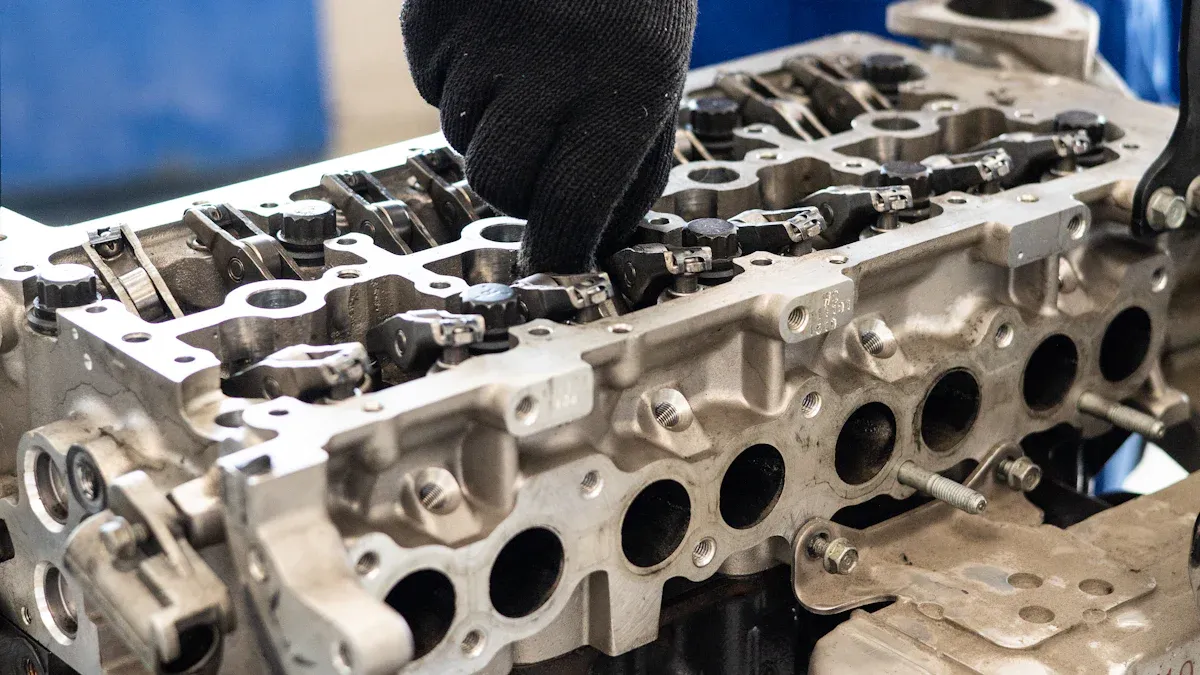
Inline Six-Cylinder Engines
Most new semi trucks use inline six-cylinder engines. This setup is now the main choice for big trucks. You can find it in trucks like the Detroit Diesel DD15. Many trucks on the road use this engine.
Here is a table that shows the usual cylinder count and setup you see in these engines:
| Number of Cylinders | Type | Configuration |
|---|---|---|
| 6 | 4-cycle, spark-ignited, in-line 6-cylinder, turbocharged, CAC | Inline 6 cylinder |
The Detroit Diesel DD15 is a good example of a modern inline six-cylinder engine. It has 14.8 liters of space inside and can make up to 560 horsepower. It also gives you up to 1,850 lb-ft of torque. This helps you pull heavy things easily. The DD15 uses smart parts like a variable geometry turbocharger and a common rail fuel injection system. These parts help you save fuel and make less pollution.
Tip: If you want an engine that lasts a long time and does not need much fixing, pick an inline six-cylinder model. The DD15, for example, lets you drive longer before you need service. This means you spend more time driving and less time in the shop.
Why Six Cylinders Are Standard
You may ask why truck makers pick six cylinders and not more or less. The reason is balance, power, and trust. Inline six-cylinder engines have many good points for big trucks.
Here is a table that shows why this setup is so good:
| Advantage | Explanation |
|---|---|
| Natural Balance and Reduced Vibration | The straight shape helps the engine run smooth with less shaking. |
| Simpler Design | Fewer moving parts mean less can break, so the engine lasts longer. |
| Enhanced Cooling Efficiency | The shape spreads heat out, so the engine does not get too hot during hard work. |
| High Torque Output at Low RPMs | You get strong pulling power even when you drive slow, which is great for heavy loads. |
Inline six-cylinder engines are also easier to fix. The simple design means you can repair them faster and get back to work. These engines give steady power, so the inside parts do not wear out fast. That is why you see so many trucks with this kind of engine.
When you ask, “How Many Cylinders In A Semi Truck Engine,” the answer is usually six. Most engines in these trucks are between 11 and 15 liters in size. This size gives you the right mix of power and saving fuel for long trips and hard jobs.
If you drive a truck with an inline six-cylinder engine, you get:
- Good performance for lots of miles.
- Easier repairs and fewer problems.
- Strong torque for pulling big trailers.
So, when you think about how many cylinders in a semi truck engine, remember that six cylinders in a straight line is the best choice for most jobs on the road.
Cylinder Count Impact
Power and Torque
Cylinder count is important for power and torque in semi truck engines. Diesel engines with six cylinders have longer strokes. This makes the crankshaft turn with more force. You get stronger pulling power from this design. Turbochargers make the pressure inside each cylinder higher. Diesel fuel burns in a special way to help with this. These things make it easier to move heavy loads.
- Diesel engines have longer strokes for more torque.
- Turbochargers raise cylinder pressure and give more torque.
- High cylinder pressure and crankshaft force work together for strong power.
If you ask, “How Many Cylinders In A Semi Truck Engine,” remember that six cylinders give you the torque you need for hard jobs.
Fuel Efficiency
The number of cylinders changes how much fuel your truck uses. Different setups show clear differences in fuel use when driving. Look at this table:
| Cylinder Configuration | Fuel Economy Benefit | Operating Load Region |
|---|---|---|
| 3-cylinder operation | Up to 18% reduction in BSFC | Low-load, elevated engine speeds |
| 4-cylinder operation | Baseline consumption | All load regions |
| 3/4-cylinder operation | Approx. 2% penalty at high load | High-load operation |
Six-cylinder engines give you a good mix of power and fuel savings. You get enough strength for heavy loads without wasting fuel. When you wonder, “How Many Cylinders In A Semi Truck Engine,” think about how six cylinders help you save money on long trips.
Maintenance Considerations
Cylinder count also affects how much you pay for repairs. Engines with more cylinders have more moving parts. This means you spend more on fixing and replacing parts over time.
- More cylinders mean higher costs for owners.
- Extra moving parts make maintenance needs go up.
- Six-cylinder engines keep costs lower and repairs easier.
Note: Picking a six-cylinder engine helps you avoid big repair bills and keeps your truck working longer.
Trends for 2026
Alternative Fuels & Electric Engines
Big changes are coming for semi truck engines. Many companies now try engines that use fuels like natural gas and hydrogen. Some new trucks also have electric engines. These engines do not use cylinders like diesel engines do. Electric motors get power from batteries and magnets. They do not need pistons or cylinders to work.
Electric trucks give you quick torque and run quietly. They also help the planet by making less pollution.
Manufacturers work hard to follow tough emissions rules. You will see new things like cylinder deactivation. This system turns off some cylinders when you do not need all the power. It helps you save fuel and make less pollution. Eaton and Cummins are working together to make these systems better. More trucks get these features every year.
Future Cylinder Count Changes
You might wonder if cylinder counts will change soon. New engine ideas and stricter emissions rules push companies to try new things. Here are some changes you could see:
- Opposed-piston engines, tested by Achates Power, might make engines use less fuel and pollute less. This design could change how many cylinders are needed.
- Better cylinder and piston designs help engines burn fuel better. You get more power but use less fuel.
- Cylinder deactivation lets you use fewer cylinders when you do not need all the power. This saves fuel during easy driving.
- Programs paid for by the California Air Resources Board want to cut NOx emissions by 90%. These programs may lead to new engine designs.
The industry is moving toward cleaner and smarter engines. You may drive trucks with fewer or different cylinders one day. Manufacturers want to meet emissions rules and give you better engines.
Six-cylinder inline engines are a great choice for most semi trucks. They give you a good mix of power, torque, and efficiency. The number of cylinders changes how your truck works. Look at this table to see how different engines compare:
| Engine Type | Power & Torque | Fuel Efficiency | Handling & Acceleration |
|---|---|---|---|
| I4 | Medium power, good for city trips | Uses less fuel, good for daily driving | Easier to handle because it is lighter |
| V6 | More power than I4, can tow more | Uses a bit more fuel | Starts fast and handles well |
| V8 | Lots of power and torque, good for heavy loads | Uses more fuel | Very fast, good for rough roads |
Think about what you need to haul and what is coming in the future before you pick your engine.
FAQ
How often should you service a six-cylinder semi truck engine?
You need to check the schedule from the maker. Most trucks need service after driving 15,000 to 25,000 miles. Doing regular checks helps your engine last longer.
Can you upgrade your semi truck to a different cylinder count?
You cannot change how many cylinders your engine has. The engine is built with a set number of cylinders. You can make other parts better for more power.
Do electric semi trucks have cylinders?
No, electric trucks do not have cylinders. Electric motors use batteries and magnets to make power. You get quick torque and a smooth ride.
Explore FAWDE Diesel and Gas Engines
Whether you’re spec’ing a new heavy-duty truck or refurbishing a fleet, FAWDE commercial diesel engines deliver dependable on-road performance. Wuxi Winteam Technology is the exclusive overseas distributor for FAW Jiefang Wuxi Diesel Engine Works.
Browse our complete engine catalog: Euro 1, Euro 2, Euro 3, Euro 4, and Euro 5 diesel engines. Specialty applications include generator set engines, water pump engines, and natural gas engines. For pricing and OEM enquiries, please contact us directly.